Profile
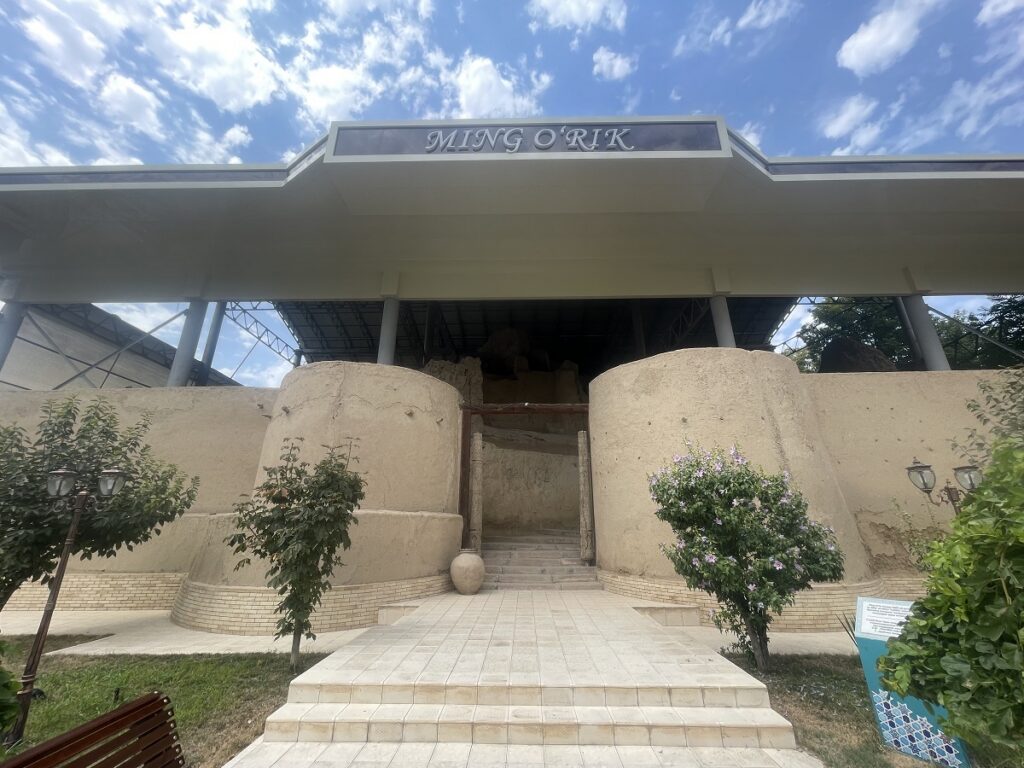
Ming Urik Archaeological Site
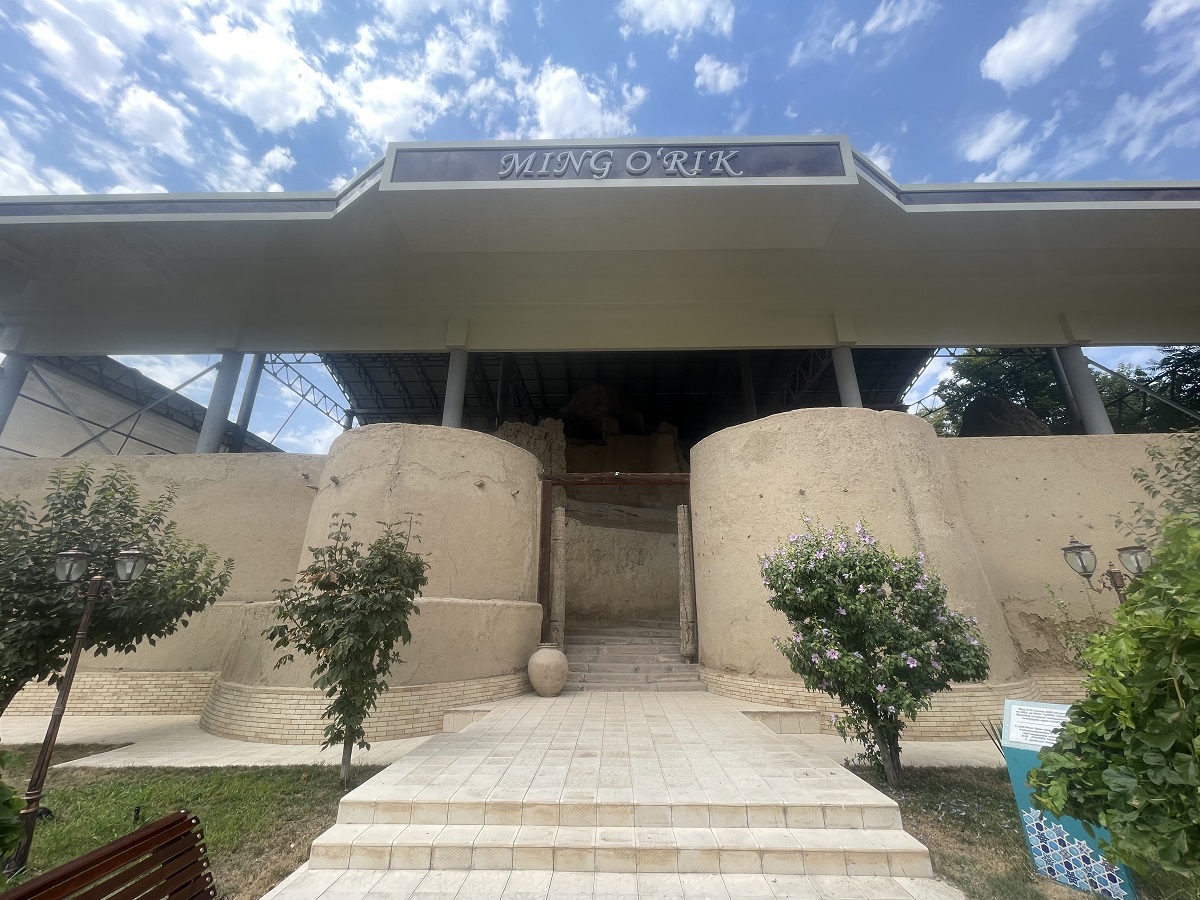
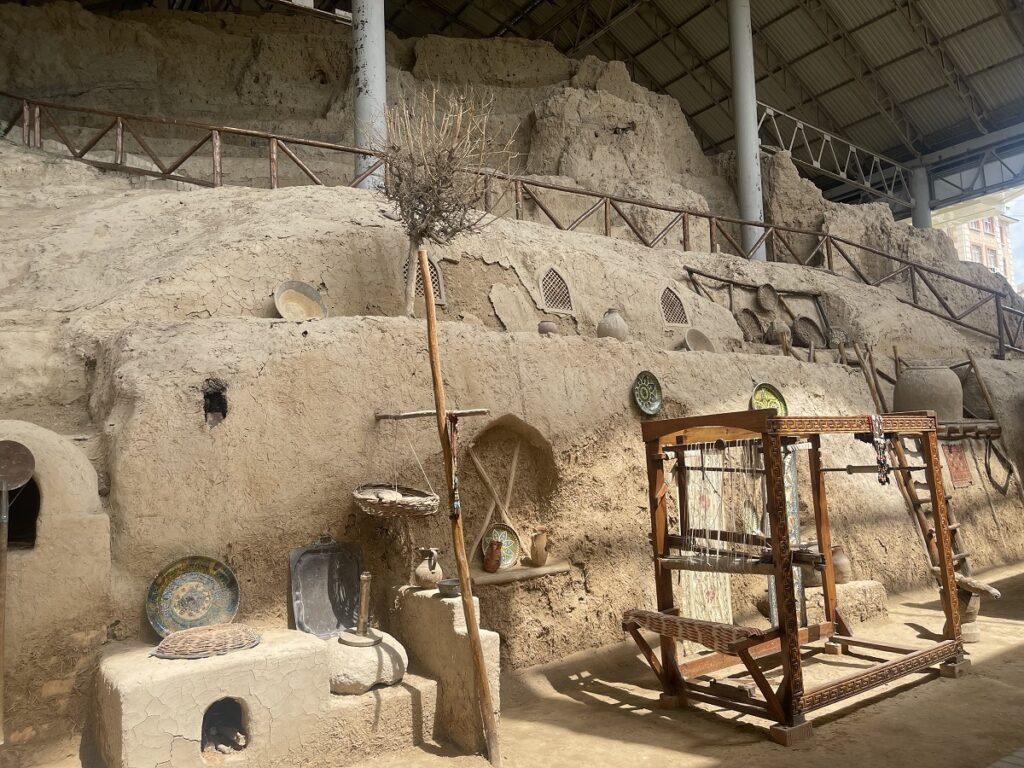
Located on one of Tashkent’s central streets, Ming Urik is an important archaeological site that sheds light on the city’s earliest history. The settlement existed from the 1st to the 4th centuries AD and functioned as a major urban centre during the period of the Turkic Khaganate.
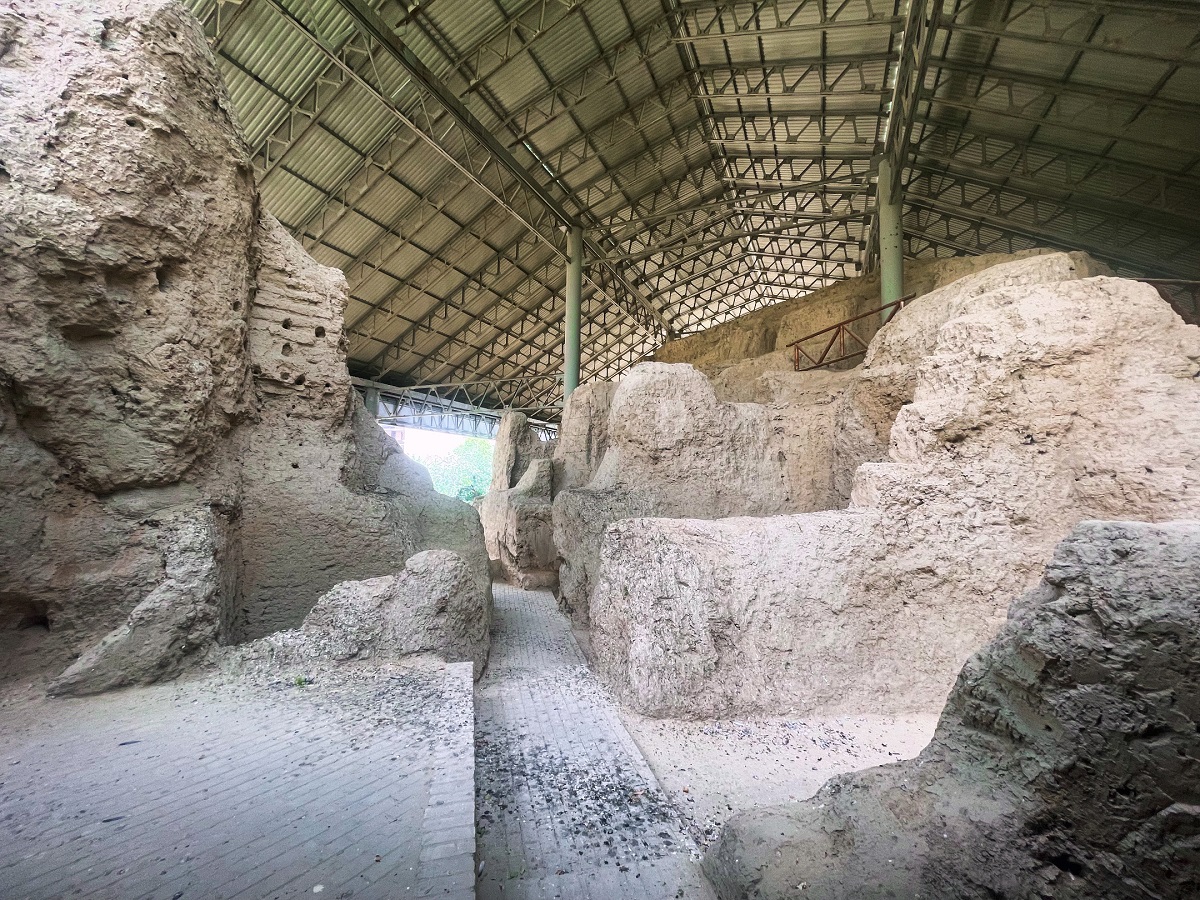
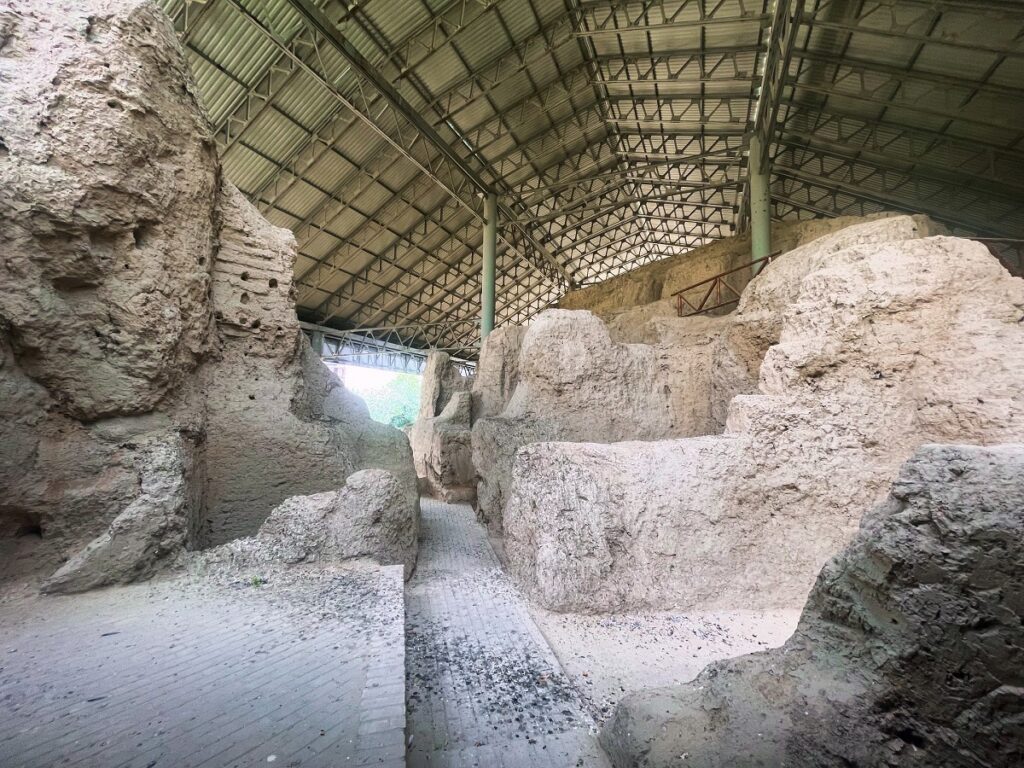
It played a defensive role as a fortress protecting the capital of Chach. Archaeological research has revealed the remains of a large city enclosed by fortified walls, with a central area covering around 35 hectares. The layout followed a square plan, reinforced by semi-circular towers and clearly defined structures.
Evidence found at the site suggests Ming Urik also had religious significance. Open fire altars point to pagan worship practices, indicating that the settlement served not only administrative and military purposes but also acted as a spiritual centre influenced by the wider cultures of the time.
History, Excavation, and Significance
The name “Ming Urik,” meaning “Thousand Apricots,” comes from the extensive apricot gardens that once covered the area. Despite this pastoral name, the site’s importance lies in its role as a key urban and cultural hub, offering insight into early urban development in Central Asia.
Systematic excavations began in the late 19th century and gradually uncovered evidence of a once-thriving city. Today, Ming Urik is a valuable reference point for understanding the early history of Tashkent and the wider region, preserving traces of an ancient metropolis beneath the modern city.
Map
Sorry, no records were found. Please adjust your search criteria and try again.
Sorry, unable to load the Maps API.